
Why the Coach-Player Relationship Matters for Recruits
Discover why the coach-player relationship matters for recruits. Learn how this bond influences decisions and impacts athlete success.

DepthChartIQ
Athletic Intelligence
Why the Coach-Player Relationship Matters for Recruits

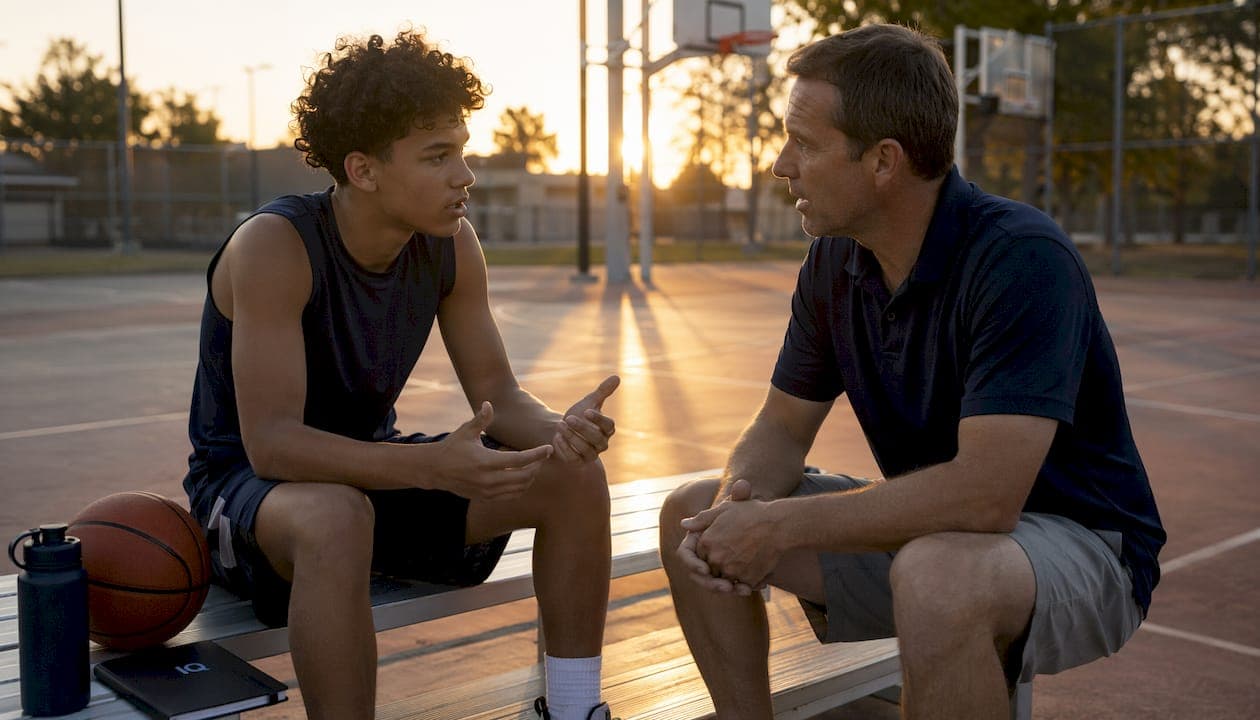
The coach-player relationship is the single most influential factor shaping a high school basketball recruit’s college decision. Sports psychology defines this bond through Jowett’s 3+1Cs model, which measures closeness, commitment, complementarity, and co-orientation between coaches and athletes. Research confirms that relationship quality predicts performance and retention independently of technical coaching quality. Understanding why coach-player relationship matters recruits means looking past scholarship offers and facility tours to the human connection that determines whether an athlete thrives or transfers.
How does a strong coach-player bond influence recruit decisions?
A strong coach-player bond changes how recruits process every other factor in their decision. When a recruit trusts a coach, they interpret the program’s weaknesses more charitably and commit with greater confidence. When that trust is absent, no amount of facility upgrades or NIL money closes the gap.
Elite recruits consistently identify genuine, transparent communication as the deciding factor in their commitment. Some recruits report knowing their choice after as few as two visits when authentic relationships are built. That speed of decision reflects how powerfully real connection cuts through recruiting noise.
The difference between an authentic pitch and a scripted one is obvious to recruits who pay attention. Coaches who ask about a recruit’s family, remember details from previous conversations, and follow through on small promises build cognitive trust fast. Coaches who deliver polished presentations but never ask a personal question signal that the recruit is a roster slot, not a person.
- Authentic communication builds trust faster than any facility tour or highlight reel.
- Consistent follow-through on small commitments signals how a coach will behave during a difficult season.
- Honest program assessment from a coach, including weaknesses, builds more confidence than a perfect sales pitch.
- Personal attention to a recruit’s individual goals shows the coach sees the athlete as a whole person.
Pro Tip: Ask the coach a direct question about a recent team conflict and how it was resolved. A coach who answers honestly and specifically is showing you exactly how they handle adversity.
How coach-player relationships influence recruits also depends on what happens off the official visit. Critical recruit decisions often happen in small, honest conversations that reveal program realities, not during high-profile events. The informal lunch, the hallway conversation with a current player, the text a coach sends three days after a visit: these moments carry more weight than the official presentation.
What are the key elements of an effective coach-player relationship?
The most widely cited framework in sports psychology for understanding coach-athlete bonds is Jowett’s 3+1Cs model. Each component predicts a different dimension of relationship health.

| Component | What it means | What recruits should look for |
|---|---|---|
| Closeness | Emotional connection and mutual respect | Does the coach remember personal details and show genuine care? |
| Commitment | Dedication to the relationship long-term | Does the coach stay engaged after the offer is made? |
| Complementarity | Cooperative, responsive interactions | Does the coach adapt communication style to the athlete? |
| Co-orientation | Shared understanding of goals and roles | Do the coach and athlete agree on what success looks like? |
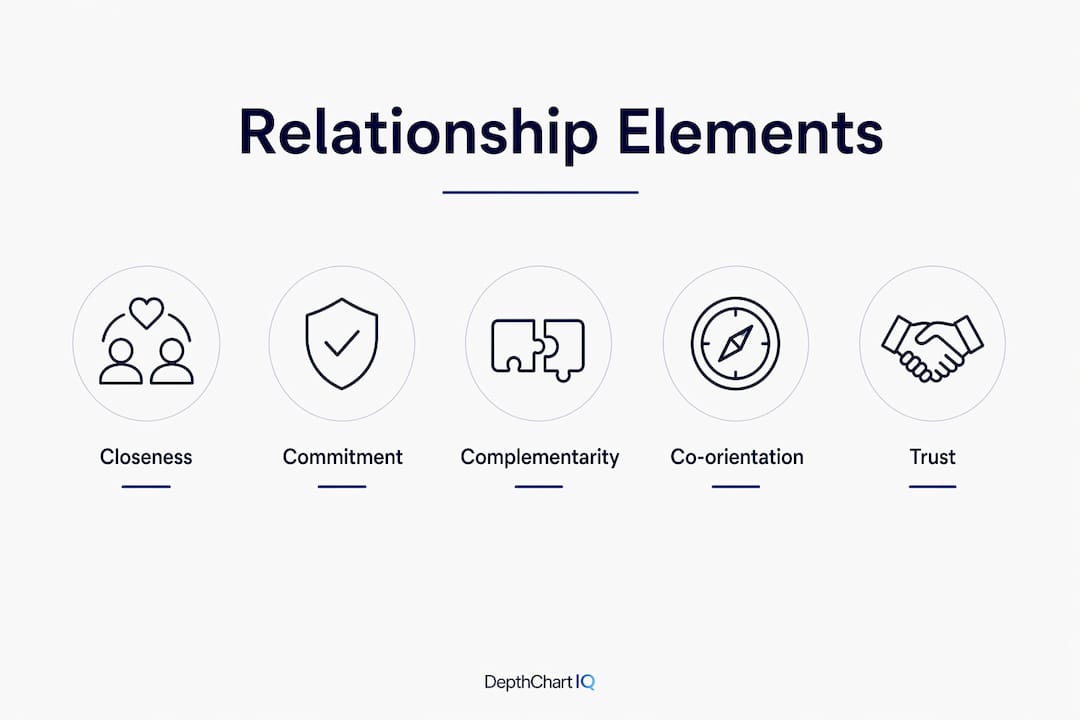
Beyond the 3+1Cs model, trust itself has two distinct forms that recruits should recognize. Cognitive trust is built on competence and consistency. It answers the question: “Does this coach know what they are doing, and do they do what they say?” Transformational leadership builds team cohesion through cognitive trust first, then affective trust follows. Affective trust is the emotional bond that develops after cognitive trust is established. Recruits who feel an immediate emotional connection with a coach but cannot point to evidence of competence should pause and look harder at the track record.
Trust development follows a clear hierarchy: cognitive trust based on competence and consistency forms first, enabling deeper emotional bonds over time. This means a coach who seems warm and likable on a visit but has a history of inconsistent lineups or broken commitments to past players is a red flag, not a green one.
Professional boundaries also define relationship quality. Relationships with clear boundaries yield more psychological freedom and safety for athletes. A coach who maintains appropriate limits creates an environment where athletes can focus on development without confusion about roles. SafeSport data shows that boundary violations begin with small exceptions and ambiguous relationships, which is why clarity from the start matters so much.
Why does relationship quality matter more than NIL offers or technical coaching alone?
NIL money and elite facilities get recruits on campus. Relationships keep them there. In the NIL era, recruits prioritize a coach’s ability to develop them through genuine relationships over comparable financial offers. Coaches themselves report that staff turnover harms recruiting more through relationship loss than through any loss of tactical expertise. That is a direct admission from inside college programs that the human bond is the product.
Technical coaching is necessary but not sufficient. A coach can design a perfect offensive system and still lose a recruit to a program with a less sophisticated scheme but a more connected staff. The reason is psychological safety. When a recruit trusts that a coach will support them through a slump, advocate for them in lineup decisions, and communicate honestly about their role, they can take the risks that lead to real development.
The impact of coaching on player development is most visible in how athletes handle adversity. Athletes accept critical feedback better when trust is strong. A coach who has built genuine rapport can deliver hard truths about a player’s weaknesses without destroying confidence. A coach who has not built that trust will find the same feedback creates resentment and disengagement.
- Relationship loss from staff turnover disrupts recruiting pipelines more than any tactical change.
- Psychological safety from a trusted coach allows athletes to attempt difficult skills without fear of humiliation.
- NIL offers without relational investment produce transfers, not loyalty.
- Technical expertise without trust limits how much an athlete absorbs and applies coaching.
Program stability directly reflects the quality of coach-player bonds within a program. Programs with low turnover and high athlete satisfaction almost always have coaching staffs that prioritize relationship-building alongside tactical development.
How can recruits and families evaluate coach-player relationships?
Evaluating a coach’s relational quality requires looking past the official visit script. The most reliable signals come from behavior patterns, not presentations.
-
Watch how the coach interacts with current players. Does the coach learn names, notice effort, and acknowledge individual contributions? Small, consistent actions by coaches make a measurable difference in relationship quality. A coach who ignores bench players during a practice visit is showing you exactly how they treat athletes who are not in the spotlight.
-
Ask about development philosophy directly. Request a specific example of how the coach helped a struggling player improve. Vague answers about “culture” and “family” are not answers. Specific stories about individual athletes reveal genuine investment.
-
Assess communication style during the process. Trust builds faster when coaches communicate expectations clearly and follow through consistently from the first interaction. A coach who goes silent after a visit or takes days to return calls is previewing their in-season communication habits.
-
Talk to current and former players without the coaching staff present. Ask those players how the coach handles conflict, delivers criticism, and responds when an athlete is struggling personally. Their answers will be more honest than anything said in a formal meeting.
-
Evaluate how the coach handles your questions about role and playing time. Coaches who give honest, specific answers about where a recruit fits in the depth chart demonstrate the kind of transparency that sustains relationships through difficult moments.
Pro Tip: Families should ask the coach directly: “What happens if my son or daughter disagrees with a decision you make?” The answer reveals how the coach manages power dynamics and whether they welcome honest dialogue.
Parents evaluating college programs should also look for programs that demonstrate safe sport standards and clear professional boundaries. These are not just ethical requirements. They are indicators of a coaching environment stable enough to support long-term development.
Key Takeaways
The coach-player relationship is the primary driver of recruit commitment, athlete retention, and long-term development, outweighing NIL offers and tactical coaching quality when trust is absent.
| Point | Details |
|---|---|
| Relationship quality predicts outcomes | High-quality coach-athlete bonds independently predict performance and retention beyond technical coaching. |
| Trust builds in stages | Cognitive trust based on competence forms first; emotional connection follows only after consistency is established. |
| NIL cannot replace relational investment | Recruits in the NIL era still prioritize a coach’s genuine development commitment over comparable financial offers. |
| Boundaries signal safety | Clear professional boundaries from coaches create psychological freedom and protect athlete well-being. |
| Evaluation requires observation | The most reliable signals of relationship quality come from informal interactions, not official visit presentations. |
What I’ve learned watching recruits choose the wrong program
John here. After watching hundreds of recruiting decisions play out, the pattern that stands out most is this: recruits who choose based on facilities or NIL almost always regret it within 18 months. Recruits who choose based on a genuine connection with a coaching staff almost always find a way to make it work, even when the program has real limitations.
The part families consistently underestimate is how quickly a coach’s true behavior becomes visible if you know where to look. The first phone call after an offer is made tells you a lot. Does the coach ask questions, or do they just talk? Does the conversation feel like a relationship or a transaction?
I’ve also seen parents dismiss their own instincts because a program has a famous name or a big budget. Those instincts are usually right. If a coach makes a recruit feel like a number during the recruiting process, that feeling does not improve once the recruit is on campus and the coach’s attention moves to the next class.
The role of parents in this process is to ask the hard questions that a 17-year-old may not think to ask. Ask about conflict resolution. Ask about what happens when a player is injured. Ask about how the coach has handled a player who did not develop as expected. The answers to those questions reveal the relationship a recruit is actually signing up for.
Trust your gut. Then verify it with evidence.
— John
How DepthchartIQ supports smarter recruiting decisions
Choosing the right program means looking beyond highlight reels and campus tours. DepthchartIQ gives recruits and families the data layer that makes those conversations more productive.
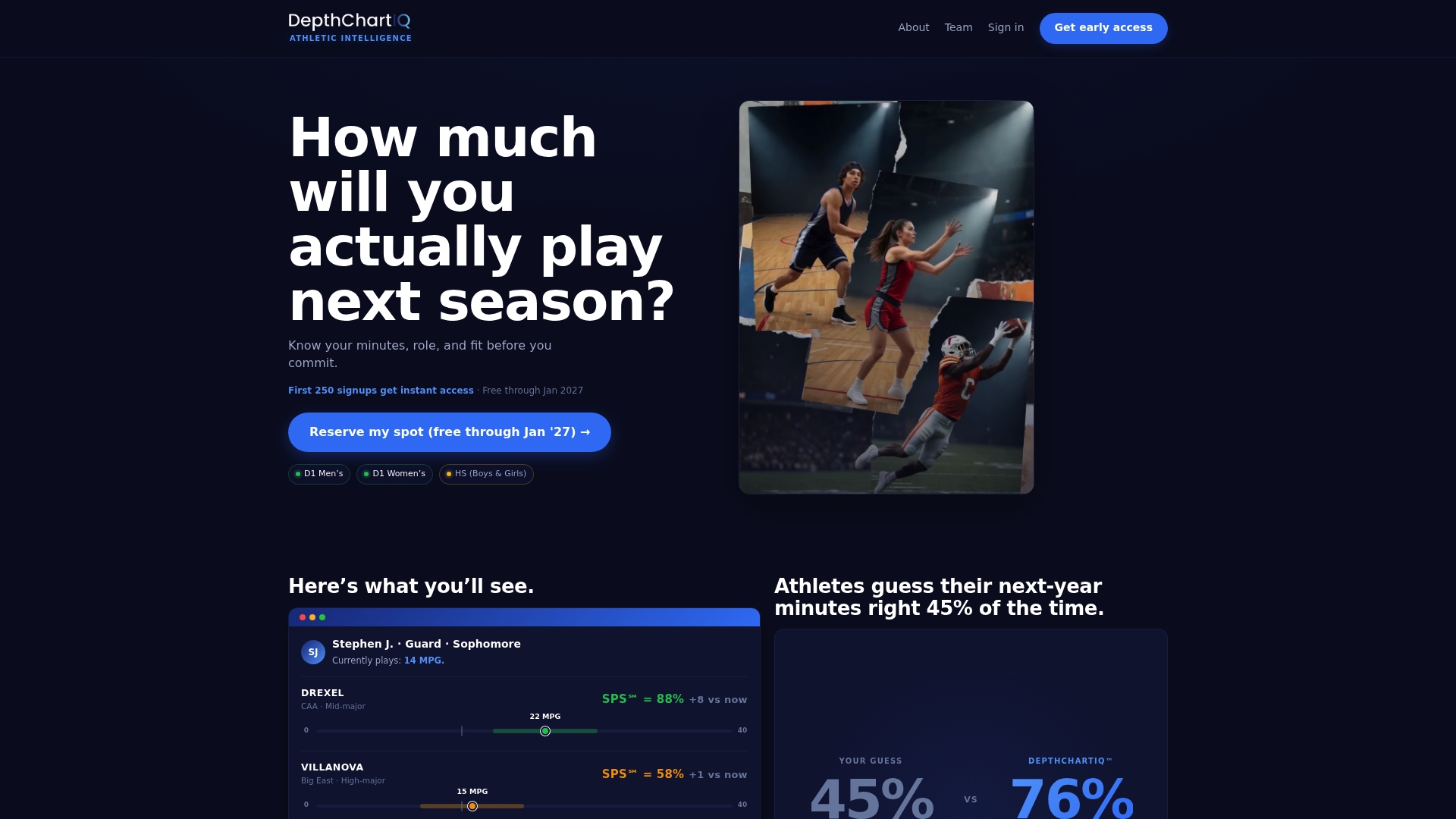
DepthchartIQ’s analytical methodology combines Success Probability Scores and Roster Pressure insights to show recruits exactly where they fit in a program’s depth chart, both now and as rosters evolve. That context makes it easier to ask coaches the right questions and evaluate their answers honestly. When you know the roster dynamics, you can tell whether a coach’s development promises are realistic or just recruiting talk. Visit DepthchartIQ to see how data-backed program evaluation works alongside the relational factors that matter most.
FAQ
Why does the coach-player relationship matter more than NIL offers?
Coaches report that staff turnover harms recruiting through relationship loss more than any financial or tactical factor. Recruits who trust their coach stay and develop; recruits who chose a program for money alone transfer when the relationship fails.
What is Jowett’s 3+1Cs model in recruiting?
Jowett’s 3+1Cs model measures closeness, commitment, complementarity, and co-orientation between coaches and athletes. Recruits can use these four dimensions to evaluate whether a coaching relationship has the depth needed for long-term development.
How can a recruit tell if a coach is being authentic?
Genuine coaches ask specific questions about a recruit’s goals, remember personal details across conversations, and give honest answers about program weaknesses. Scripted pitches that avoid hard questions are a reliable signal of a transactional approach.
What role do professional boundaries play in coach-player relationships?
Clear professional boundaries create psychological safety for athletes and signal a stable coaching environment. SafeSport research shows that boundary violations begin with small exceptions, making clarity from the first interaction a protective factor for recruits.
How quickly can a recruit assess a coach’s relational quality?
Trust signals appear within the first two interactions if recruits know what to look for. Consistent follow-through on small commitments, honest communication about role and playing time, and genuine attention to the recruit as a person are all visible early in the process.