
Common Mistakes in Supporting Athlete Transfers: 2026 Guide
Discover common mistakes supporting athlete transfers and learn how to avoid costly errors. Master the NCAA process and enhance your transfer success.

DepthChartIQ
Athletic Intelligence

Common Mistakes in Supporting Athlete Transfers: 2026 Guide

Most athlete transfers fail not because of talent gaps but because of avoidable compliance and timing errors tied to NCAA Transfer Portal rules, eligibility requirements, and NIL agreements. The common mistakes supporting athlete transfers are well documented, yet athletes and their families repeat them every transfer season. Understanding the NCAA’s exact process, from the Notification of Transfer to sport-specific windows, is the difference between competing next season and sitting out. This guide covers the top pitfalls and how to avoid each one.
1. What are the most common mistakes supporting athlete transfers?
The single most damaging error athletes make is treating the transfer portal as a simple sign-up form. The portal is a compliance event with legal consequences, not an administrative checkbox. Misreading the process leads to missed windows, lost scholarships, and ineligibility.
The athlete transfer pitfalls covered here apply to Division I athletes in 2026, though many principles carry across divisions. Each mistake below represents a real pattern that compliance offices, advisors, and sports attorneys see repeatedly.
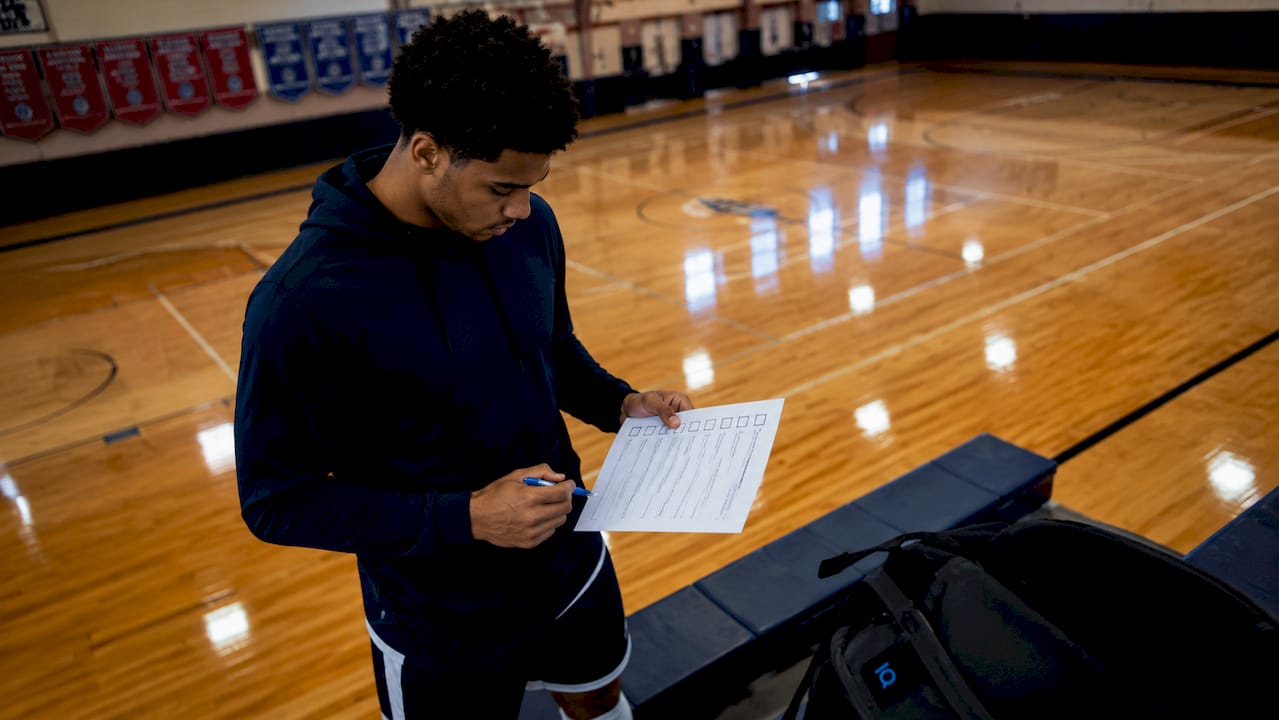
2. Misunderstanding how the NCAA Transfer Portal actually works
The NCAA Transfer Portal is not activated the moment an athlete decides to transfer. Portal entry is not complete until the compliance office enters the athlete’s name within two business days after receiving a written Notification of Transfer. That two-day gap matters more than most athletes realize.
Recruiting conversations with coaches at other schools are legally prohibited until the athlete’s name appears in the portal. Coaches can only contact athletes after official portal entry, not after the athlete submits the notification. Any communication before that point is an NCAA violation.
Key steps athletes frequently confuse:
- Submitting the Notification of Transfer to the compliance office (Step 1)
- Waiting for the compliance office to enter the name in the portal within two business days (Step 2)
- Receiving legal recruiting contact from other programs (Step 3, only after Step 2)
- Completing admissions and academic paperwork at the new school (Step 4, separate timeline)
Pro Tip: Keep a written record of the exact date and time you submitted your Notification of Transfer. If the two-business-day window passes without portal entry, follow up immediately in writing.
3. Missing sport-specific transfer windows in 2026
Transfer windows are not universal. The NCAA Division I Cabinet adopted new transfer windows for basketball, wrestling, ice hockey, and track and field, effective in 2026. Missing the correct window for your sport can make you ineligible to compete immediately or for an entire term.
Basketball provides the clearest example of how midyear restrictions work. Division I basketball athletes who transfer and enroll during the first academic term are not eligible to compete that term. The sport-specific nature of these rules catches athletes off guard because they assume one general rule applies to all sports.
| Sport | 2026 Window Type | Key Restriction |
|---|---|---|
| Basketball | 15-day and 30-day windows | Midyear transfers ineligible first term |
| Wrestling | New defined windows | Must enter portal within window dates |
| Ice hockey | New defined windows | Midyear enrollment restrictions apply |
| Track and field | New defined windows | Confirm window before portal entry |
Because each sport may have different rules and midyear restrictions updated for 2026, athletes must verify the latest NCAA Division I Cabinet announcements before planning any transfer.
Pro Tip: Contact your sport’s compliance officer directly and ask for the exact open and close dates of your transfer window in writing. Do not rely on information shared by teammates or coaches from other programs.
4. Assuming portal entry guarantees eligibility and a scholarship
Entering the portal does not guarantee you will compete at your new school. Eligibility depends on academic standing and progress toward a degree, and teams are not obligated to protect roster spots or renew scholarships after portal entry. This is one of the most damaging misconceptions in athlete transfer planning.
Athletes who enter the portal sometimes assume a verbal commitment from a new coach locks in their scholarship. Verbal commitments are not binding. Roster spots can disappear between a coach’s initial interest and the signing of a financial aid agreement.
Common eligibility and scholarship errors include:
- Failing to maintain satisfactory academic progress before and during the transfer
- Not confirming credit transfer policies at the new institution before committing
- Assuming a scholarship offer is guaranteed without a signed financial aid agreement
- Ignoring conference-specific restrictions that may limit immediate eligibility
- Overlooking institutional exceptions that require a waiver process
The transfer decision checklist from DepthchartIQ walks athletes through each of these checkpoints before they commit to a new program.
5. Rushing NIL deals during the transfer process
NIL agreements signed during transfer season carry compliance risks that most athletes do not anticipate. Rushed NIL contracts tied to transfer timing can lead to eligibility violations through inducement or extra benefit rule violations. The problem is not NIL itself. The problem is contract language that crosses into pay-for-play territory.
Specific contract terms that trigger compliance reviews include:
- Clauses requiring loyalty to a specific institution or conference
- Exclusivity terms tied to enrollment at a particular school
- Payment structures that resemble inducements for choosing a specific program
- Obligations that interfere with academic requirements or practice schedules
Close NIL contract review and coordination with compliance offices is not optional during transfer season. It is the only way to protect eligibility when signing any agreement. Athletes should also understand that NIL income complexities extend well beyond the transfer window itself.
Pro Tip: Never sign an NIL agreement during an active transfer without having your compliance office and a sports attorney review the contract language first. A deal that costs you eligibility is not a deal worth taking.
6. Confusing portal timing with academic admissions timelines
The transfer portal and the academic admissions process run on completely separate timelines. Portal entry and academic admissions operate on distinct schedules, and failing to manage both simultaneously causes delays that can push an athlete’s enrollment back by a full semester.
Athletes frequently assume that entering the portal triggers the admissions process at the new school. It does not. Transcript submissions, credit evaluations, and financial aid applications all require separate action on separate deadlines.
Organizational errors that commonly derail transfers:
- Submitting transcripts late because the athlete assumed the portal handled it
- Missing financial aid deadlines at the new institution while focused on portal compliance
- Failing to document all communications with compliance offices in writing
- Relying on informal conversations with coaches instead of written confirmation from admissions
| Task | Who Manages It | Common Error |
|---|---|---|
| Notification of Transfer | Athlete submits to compliance | Submitted verbally, not in writing |
| Portal entry | Compliance office (2 business days) | Athlete assumes it is instant |
| Admissions application | Athlete applies to new school | Delayed, treated as automatic |
| Transcript submission | Athlete or registrar | Missed deadline |
| Credit evaluation | New institution’s registrar | Not requested until too late |
The role of enrollment management in the transfer process is often underestimated. Treating admissions as a separate project with its own deadlines prevents the most common organizational failures.
7. Practicing or competing before official portal entry
“Ghost transfers” are one of the most serious compliance violations in the current transfer environment. Allowing athletes to practice or compete before officially entering the portal results in severe penalties for coaches and programs. Effective february 25, 2026, penalties include a 50% season suspension of the head coach and a 20% sport budget fine.
The NCAA is increasing enforcement to prevent unauthorized communication or practice before portal entry. That enforcement pressure means athletes who participate in informal workouts at a new school before their portal entry is complete are putting both themselves and the receiving program at risk.
Athletes should understand that even attending a team meeting or informal workout at a prospective school before portal entry can trigger a review. The safest rule is no contact with a new program’s coaching staff or facilities until the portal entry is confirmed in writing.
8. Ignoring the academic progress requirements for immediate eligibility
Academic standing is not just an admissions requirement. It is an eligibility requirement. Athletes who are not in good academic standing or who have not met progress-toward-degree benchmarks cannot compete immediately at a new school, regardless of what a coach promises. The academic balance checklist from DepthchartIQ outlines exactly what athletes need to maintain during a transfer.
Progress-toward-degree requirements vary by institution and conference. An athlete who is on track academically at one school may not meet the credit requirements at another. Confirming credit transferability before committing to a new program is a non-negotiable step that many athletes skip.
9. Relying on informal communication instead of written confirmation
Verbal assurances from coaches, compliance officers, or admissions staff carry no weight when eligibility is on the line. Athletes who rely on phone calls or hallway conversations instead of written documentation are one misunderstanding away from a serious problem. Every step of the transfer process should be confirmed in writing and stored in a single organized file.
Separating these steps and treating each as a distinct compliance event avoids the confusion that derails most transfers. Athletes should maintain a transfer timeline document that logs every submission, every confirmation, and every deadline. This is not excessive caution. It is the minimum standard for a transfer that goes smoothly.
10. Underestimating the emotional and timing pressures that lead to bad decisions
Transfer decisions made in the heat of a conflict with a coach or after a disappointing season often skip the compliance steps that protect the athlete. Emotional urgency is the root cause behind many of the errors listed above. An athlete who rushes into the portal after a bad week is more likely to miss a window, sign a risky NIL deal, or fail to complete admissions paperwork on time.
Understanding why athletes enter the transfer portal is the first step toward making a decision based on facts rather than frustration. The best transfers are planned weeks or months before the portal opens, with compliance and academic advisors already briefed and ready to act.
Key takeaways
Avoiding common mistakes in athlete transfers requires treating each compliance step as a separate, time-sensitive event with its own rules, deadlines, and documentation requirements.
| Point | Details |
|---|---|
| Portal entry has a two-day rule | Compliance offices must enter your name within two business days of written notification. |
| Sport-specific windows vary in 2026 | Basketball, wrestling, ice hockey, and track and field all have new window rules this year. |
| Portal entry does not guarantee eligibility | Academic standing and signed financial aid agreements are required before you can compete. |
| NIL deals need compliance review | Contract language resembling pay-for-play can cost you eligibility before you ever play a game. |
| Keep every step in writing | Verbal confirmations from coaches or admissions staff are not enforceable. Document everything. |
What I have learned from watching transfers go wrong
The athletes who struggle most during transfers are not the ones who lack talent. They are the ones who treat the transfer as a single decision rather than a multi-step process. I have seen athletes lose a full season of eligibility because they assumed portal entry was automatic, or because they signed an NIL deal without reading the exclusivity clause.
The compliance details are not complicated once you slow down and treat each step as its own task. The problem is that transfer season creates urgency, and urgency creates shortcuts. Coaches call. NIL offers arrive. Admissions deadlines loom. Every one of those pressures pushes athletes toward skipping the step that protects them.
My honest advice: build your transfer timeline before you enter the portal, not after. Sit down with your compliance officer and your academic advisor in the same week. Ask them both for written confirmation of every deadline. If an NIL offer arrives during that window, do not sign anything until a sports attorney has reviewed it. The athletes who transfer successfully are the ones who treat compliance as a project with checkpoints, not a formality to handle later.
Rushing a transfer to chase a better NIL deal or escape a difficult situation almost always creates a worse situation. The best transfers I have seen are the ones where the athlete spent more time planning than deciding.
— John
DepthchartIQ: built for athletes making transfer decisions
Knowing the rules is one thing. Knowing how a transfer affects your actual playing time at a new program is another question entirely.
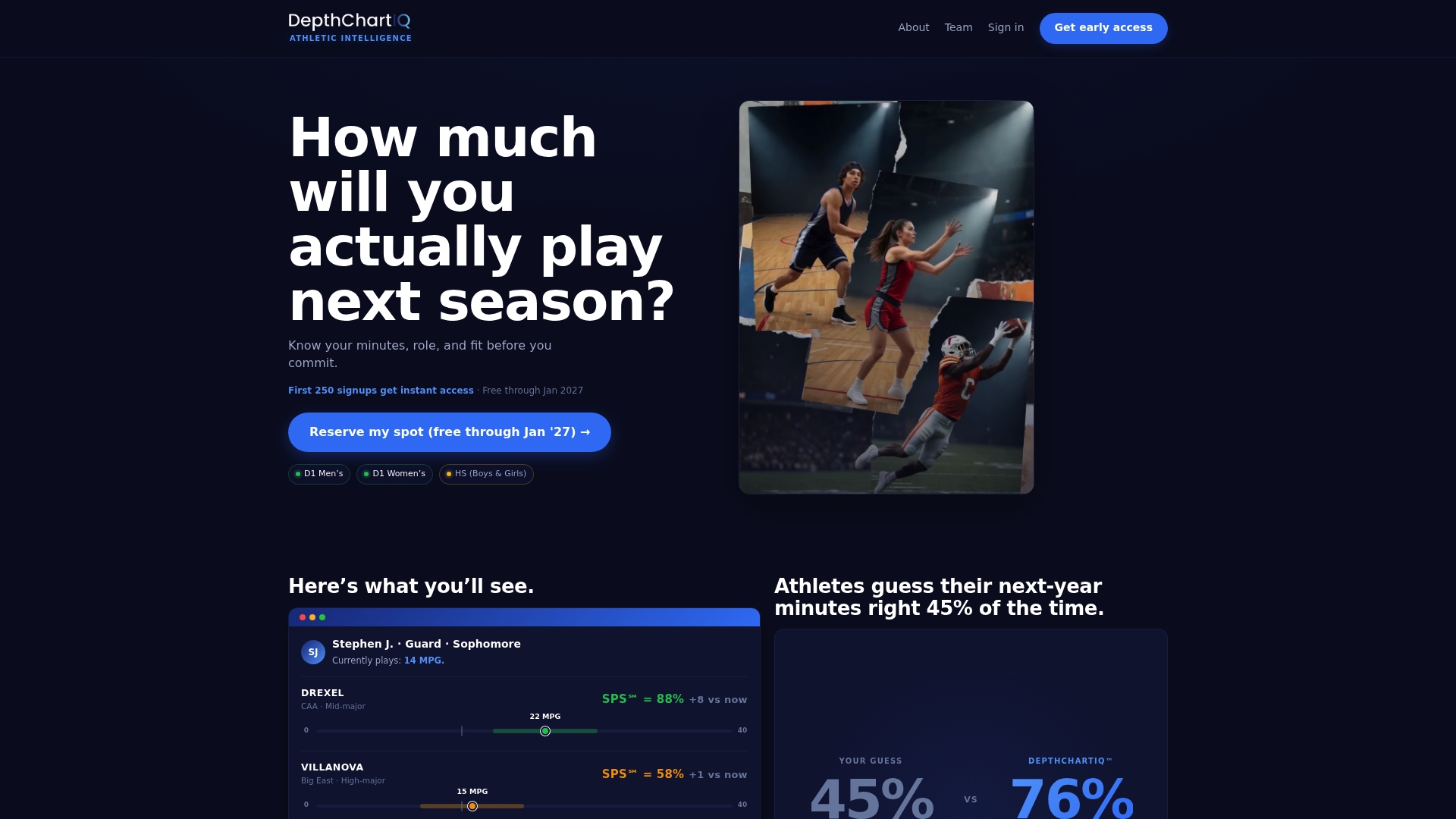
DepthchartIQ uses real-time roster data and a 76% accurate prediction model to show athletes exactly where they would fit on a new depth chart before they commit. The platform’s Success Probability Scores and Roster Pressure insights give athletes a clear picture of their playing time outlook based on current roster changes at any program. For athletes weighing a transfer, that information changes the entire conversation. Learn more about the DepthchartIQ methodology and see how data-backed roster analysis supports smarter transfer decisions. Visit DepthchartIQ to run your first depth chart analysis.
FAQ
What is the two-business-day rule in the NCAA Transfer Portal?
After an athlete submits a written Notification of Transfer, the compliance office must enter the athlete’s name in the portal within two business days. Recruiting contact from other programs is only legal after that portal entry is complete.
Can a coach contact me as soon as I decide to transfer?
No. Coaches at other schools cannot legally contact you until your name officially appears in the NCAA Transfer Portal. Any communication before that point is an NCAA violation.
Does entering the transfer portal guarantee I keep my scholarship?
Entering the portal does not guarantee a scholarship at a new school. Roster spots and financial aid agreements must be confirmed separately, and academic eligibility requirements still apply.
What makes an NIL deal a compliance risk during a transfer?
NIL contracts with exclusivity clauses, loyalty requirements tied to a specific school, or payment structures that resemble inducements for choosing a program can trigger eligibility violations. Always have a compliance officer and sports attorney review any deal before signing.
How is the transfer portal different from the admissions process?
The transfer portal is a compliance event managed by your current school’s compliance office. The admissions process at your new school is entirely separate, with its own deadlines for transcripts, credit evaluations, and financial aid applications.