
Why Program Selection Impacts Your Athletic Career
Discover why program selection impacts your athletic career. Make informed choices to enhance your skills and extend your career in sports.

DepthChartIQ
Athletic Intelligence

Why Program Selection Impacts Your Athletic Career

Program selection is the single most consequential decision a college athlete makes, shaping playing time, skill development, and career options long after the final game. Why program selection impacts athletic career outcomes is not a matter of opinion. Research and recruiting experts consistently confirm that fit, developmental philosophy, and academic alignment determine whether an athlete thrives or stalls. The wrong program can cost you years of development. The right one can extend your career, sharpen your skills, and prepare you for life after sports.
Why program selection impacts athletic career trajectory
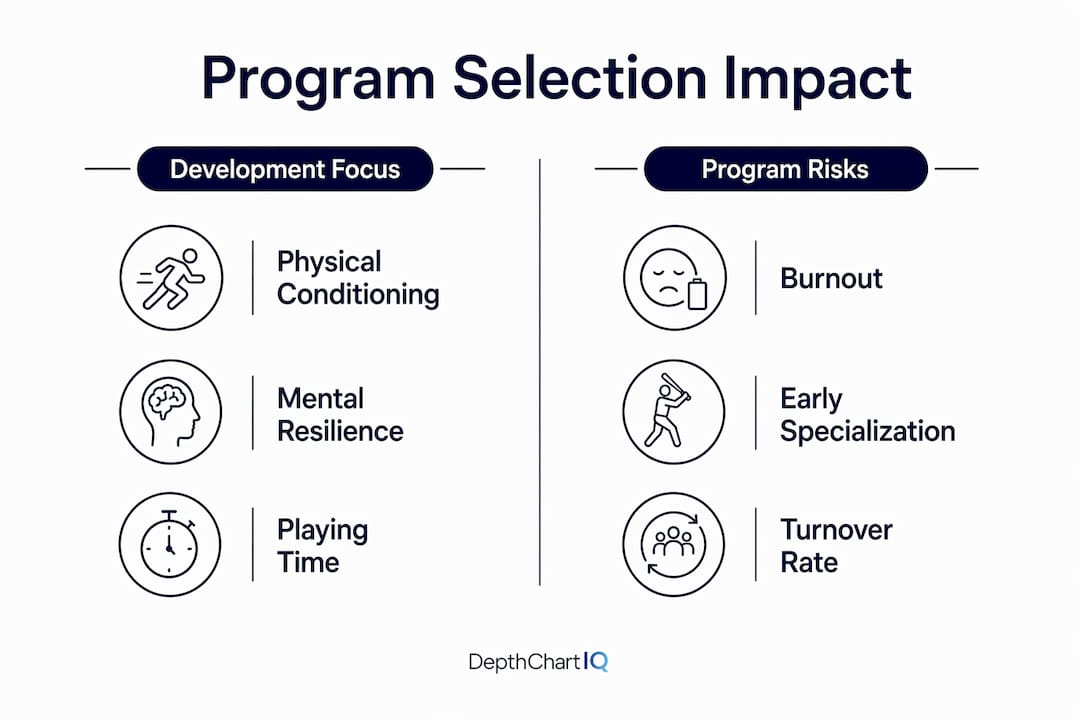
Program choice shapes every layer of an athlete’s development, from physical conditioning to mental resilience to post-sport employment. The decision is not just about where you play. It determines how you play, how often you play, and what you have when the sport ends.
Athletic career longevity depends heavily on the developmental philosophy a program follows. Programs that push early specialization, where athletes focus on one sport year-round from a young age, increase the risk of overuse injuries and burnout. Multi-sport participation reduces burnout and produces athletes with better long-term potential. That finding matters because it means the program’s philosophy, not just its ranking, directly affects how long and how well you compete.
The impact of program choice also extends to your mental and emotional state. Athletes in programs that match their goals and values show stronger motivation and persistence. A poor fit drains energy that should go toward improvement.
How does athletic program philosophy affect career longevity?
A program’s developmental philosophy is the framework that guides every coaching decision, practice structure, and player evaluation. Two programs in the same conference can operate with completely different approaches, and those differences produce very different athletes.
Programs that prioritize development over winning at all costs tend to build athletes who last longer and perform more consistently. Early specialization programs carry a measurably higher risk of overuse injuries and early burnout. That is not a minor concern. Burnout ends careers before they reach their peak.
When evaluating a program’s philosophy, look for these attributes:
- Athlete development plans: Does the coaching staff create individual development plans for each player?
- Multi-skill training: Does the program build athleticism broadly, or does it drill one narrow skill set?
- Injury management: What is the program’s approach to rest, recovery, and load management?
- Player feedback: Do coaches communicate openly about development progress and areas for growth?
- Retention rates: How many athletes stay in the program for all four years?
Retention rates are a particularly underused signal. High turnover often points to a culture that burns athletes out or fails to develop them. Ask for that number directly.
Pro Tip: Ask the coaching staff to describe their development philosophy in one sentence. Vague or sales-focused answers signal that athlete growth is not the actual priority.
What role does academic program selection play in post-athletic success?
The academic side of college program selection carries financial consequences that most athletes underestimate. Academic major choice affects lifetime earnings more significantly than institutional prestige. Graduates of high-earning majors out-earn non-college peers by more than $200,000 over a career. The earnings difference tied to institutional prestige alone is less than $13,000. That gap is striking and should reframe how athletes weigh school brand against degree quality.
Professional athletic careers are shorter than most athletes expect. Building academic credentials during your college years is not a backup plan. It is the primary plan for the majority of athletes, because most careers end before age 30 due to injury, roster cuts, or market changes.
| Academic factor | Why it matters |
|---|---|
| Major earning potential | Determines financial stability after sport ends |
| Internship access | Builds professional network while still competing |
| Academic support services | Keeps athletes eligible and on track to graduate |
| Faculty mentorship | Opens doors to graduate programs and industry roles |
| Flexible scheduling | Allows athletes to manage training and coursework without sacrificing either |
Athletes who balance sport and academics reduce their financial risk dramatically. If a career ends early due to injury, a strong academic record keeps options open. If the pro path materializes, the degree still adds value.
How do depth chart position and playing time shape athlete development?
Playing time is not just about statistics. It is the primary mechanism through which athletes develop. Repetitions in competitive games build decision-making, composure, and sport-specific intelligence that practice alone cannot replicate. A transparent depth chart and a clear path to playing time are non-negotiable factors in program evaluation.
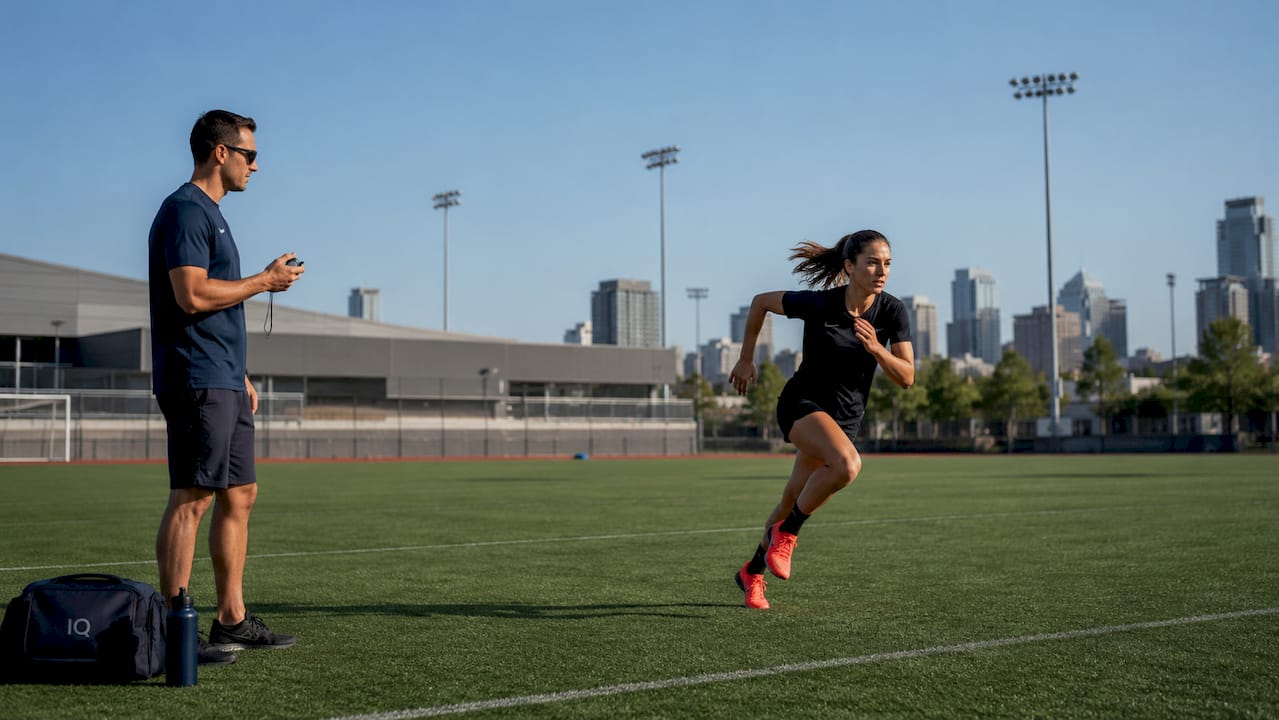
Sitting on the bench at a prestigious program often delays career progress more than playing regularly at a lower division. That insight runs counter to the instinct to chase the biggest brand name. An athlete who plays 30 minutes per game at a mid-major program develops faster than one who plays 5 minutes at a Power Five school.
Coaching transparency about depth chart positioning is equally critical. Evasive or vague answers from coaches about where you fit on the roster may indicate limited playing opportunities. Coaches who are honest about your projected role, even if the answer is not what you want to hear, are the ones who will actually develop you.
When assessing playing time potential, ask these questions:
- How many athletes at your position are returning next season?
- What is the typical timeline for a freshman to earn significant playing time?
- How does the coaching staff handle position battles?
- Can you speak with current athletes about their development experience?
Pro Tip: Request a conversation with a current athlete at your position, not just a team captain. Position-specific players will give you the most accurate picture of your realistic path.
DepthchartIQ addresses this exact problem by providing athletes with roster pressure insights and Success Probability Scores. The platform uses real-time data to show where you realistically fit on a depth chart, with a 76% accuracy rate in predicting player outcomes.
What strategies help athletes evaluate programs objectively?
Structured evaluation beats gut instinct when the stakes are this high. Unstructured program decisions driven by short-term recruitment promises lead to inefficient matches and stalled development. A data-informed self-assessment process produces better long-term outcomes.
Use this numbered framework to evaluate any program:
- Define your athletic goals: Are you aiming for professional play, or is college the peak of your competitive career? Your answer changes which program attributes matter most.
- Assess your academic priorities: Identify two or three fields you would pursue seriously if sport ended tomorrow. Check whether the program offers strong options in those areas.
- Evaluate coaching staff tenure: Coaches who stay at a program for five or more years build consistent cultures. High coaching turnover creates instability that hurts athlete development.
- Analyze the depth chart: Use available data to assess how many athletes at your position are ahead of you and how many are graduating.
- Visit the campus and facilities: Training environments affect daily motivation. A facility that energizes you is not a luxury. It is a daily performance factor.
- Talk to former athletes: Alumni who have graduated will give you the most candid view of what the program actually delivers versus what it promises.
Comparing programs for athlete development requires looking past marketing materials. The best program for you is the one aligned with your personal goals, mentorship access, and realistic development opportunities, not the one with the most national championships.
How does program fit affect athlete motivation and persistence?
Program fit is a direct driver of athletic performance. Athletes whose program aligns with their interests and developmental needs show higher persistence, stronger learning behaviors, and greater competence over time. That correlation is not incidental. When athletes feel they belong in a program, they invest more deeply in it.
The psychological dimension of fit is often ignored during recruitment. Athletes focus on facilities, rankings, and scholarship offers. They rarely ask whether the program’s culture matches how they learn and compete best. That oversight produces athletes who are physically present but mentally disengaged.
External pressure is one of the most common sources of poor fit. Parents, coaches, and peers often push athletes toward prestigious programs without accounting for individual needs. Choosing a program to satisfy external expectations rather than personal goals creates a motivation deficit that compounds over time.
Signs that program fit is strong include:
- You feel challenged but not overwhelmed by the program’s expectations.
- The coaching staff communicates in a style that matches how you receive feedback.
- Your academic interests align with the institution’s strongest departments.
- Athletes in the program describe a culture of accountability and mutual support.
Evaluating whether your current school fits your goals is a question worth revisiting annually, not just at the point of initial commitment. Athletes who transfer to better-fit programs often see immediate performance gains.
Key Takeaways
Program selection determines athletic development, playing time, and post-sport career outcomes, making it the most consequential decision a college athlete will make.
| Point | Details |
|---|---|
| Philosophy over prestige | Programs emphasizing development over early specialization produce longer, healthier careers. |
| Academic major matters most | Major choice affects lifetime earnings by $200,000 or more, far outweighing school brand value. |
| Playing time drives growth | Regular competitive reps develop athletes faster than bench time at a higher-ranked program. |
| Structured evaluation wins | Data-informed self-assessments produce better program matches than unstructured recruitment decisions. |
| Fit predicts persistence | Athletes in well-matched programs show higher motivation, learning, and long-term performance. |
The uncomfortable truth about chasing prestige
Athletes spend years perfecting their craft and then make the most important career decision in a few campus visits. I have seen this pattern play out repeatedly, and the outcome is predictable. The athlete who chose the Power Five program for the logo on the jersey is sitting third on the depth chart two years later, wondering what went wrong.
The prestige trap is real. A program’s national ranking tells you almost nothing about whether it will develop you specifically. What matters is whether the coaching staff has a plan for your growth, whether you will get competitive reps, and whether the academic environment gives you something to build toward after sport.
I am also skeptical of athletes who dismiss academics entirely during recruitment. Professional careers end faster than anyone expects. An injury in your sophomore year can close the pro path permanently. The athletes who come out of college in the strongest position are the ones who treated their degree as seriously as their sport, not as a formality.
The most underrated question you can ask during a campus visit is simple: “What happens to athletes here who don’t go pro?” The answer tells you everything about the program’s actual values.
— John
How DepthchartIQ helps athletes make smarter program decisions
Making a well-informed program decision requires more than campus visits and gut instinct. DepthchartIQ gives athletes a data-driven edge by analyzing real-time roster changes, depth chart dynamics, and Success Probability Scores to show where you realistically fit before you commit.
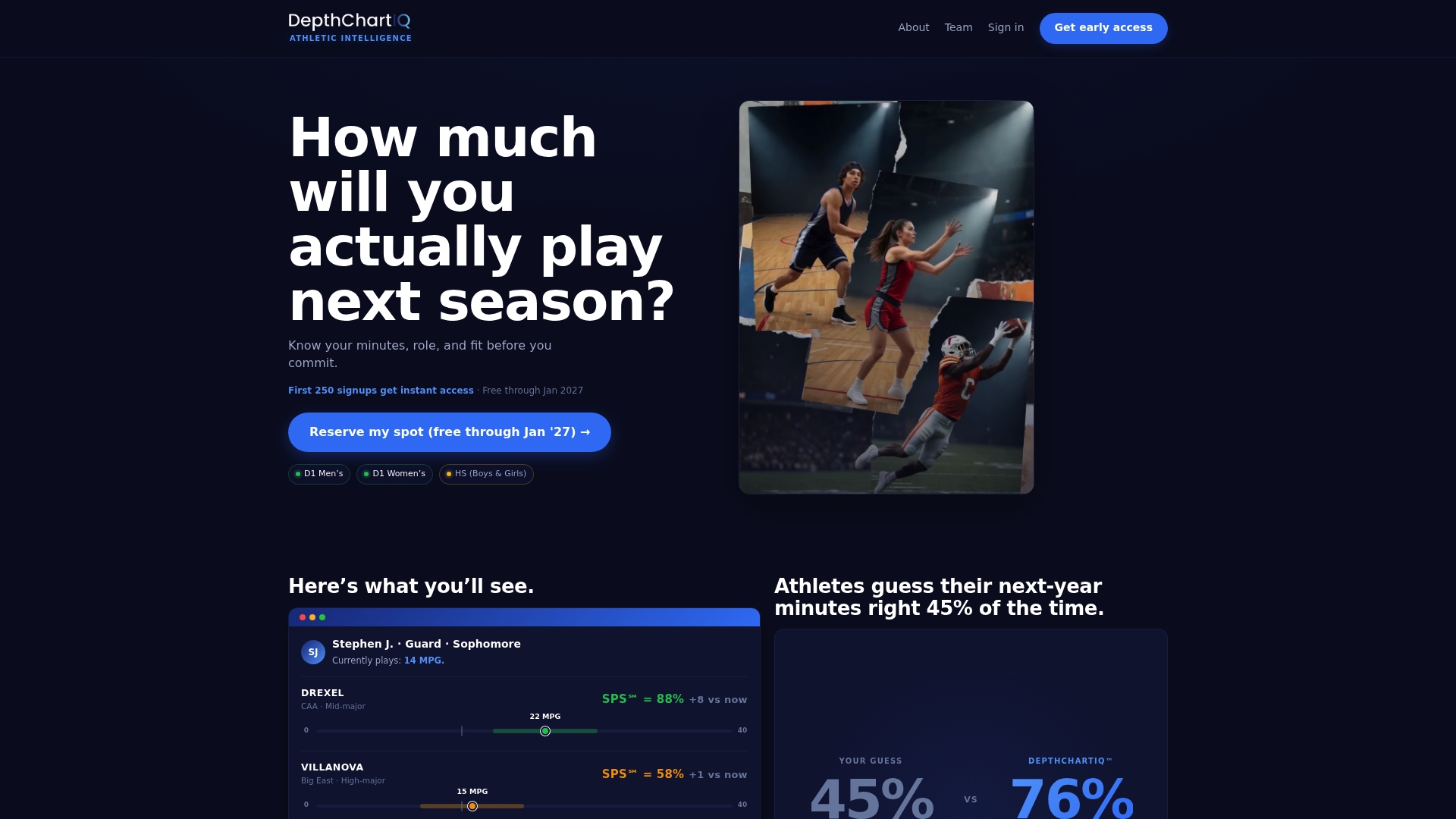
The platform’s 76% accuracy rate in predicting player outcomes means athletes get a clear picture of their playing time potential at any program they are evaluating. Whether you are a high school recruit weighing your options or a current college athlete considering a transfer, DepthchartIQ’s methodology and tools give you the specific, honest information that recruitment conversations rarely provide. Visit DepthchartIQ to see how data can sharpen your next program decision.
FAQ
Why does program selection matter more than school prestige?
Program fit directly determines playing time, development quality, and academic outcomes. Research shows academic major choice affects lifetime earnings by more than $200,000, while institutional prestige accounts for less than $13,000 in earnings difference.
How do I know if a program’s depth chart gives me a real opportunity?
Ask coaches directly about returning players at your position and the typical timeline for freshmen to earn playing time. Evasive answers are a reliable signal of limited opportunity.
What is the risk of choosing a program based on early specialization?
Programs that push early specialization increase overuse injury risk and burnout. Multi-sport and development-focused programs produce athletes with stronger long-term potential and longer careers.
How does academic program choice affect an athlete’s career after sport?
Graduates of high-earning majors out-earn non-college peers by more than $200,000 over a career. Choosing a strong academic major while competing provides financial security if the athletic career ends prematurely.
Can transferring to a better-fit program improve athletic performance?
Athletes who transfer to programs with stronger developmental fit frequently see immediate performance and motivation gains. Reassessing program fit annually, not just at initial commitment, is a sound practice.