
Athletic Career Longevity Factors Parents Control Most
Discover key athletic career longevity factors parents can control. Learn how your support shapes your child's success in sports.

DepthChartIQ
Athletic Intelligence
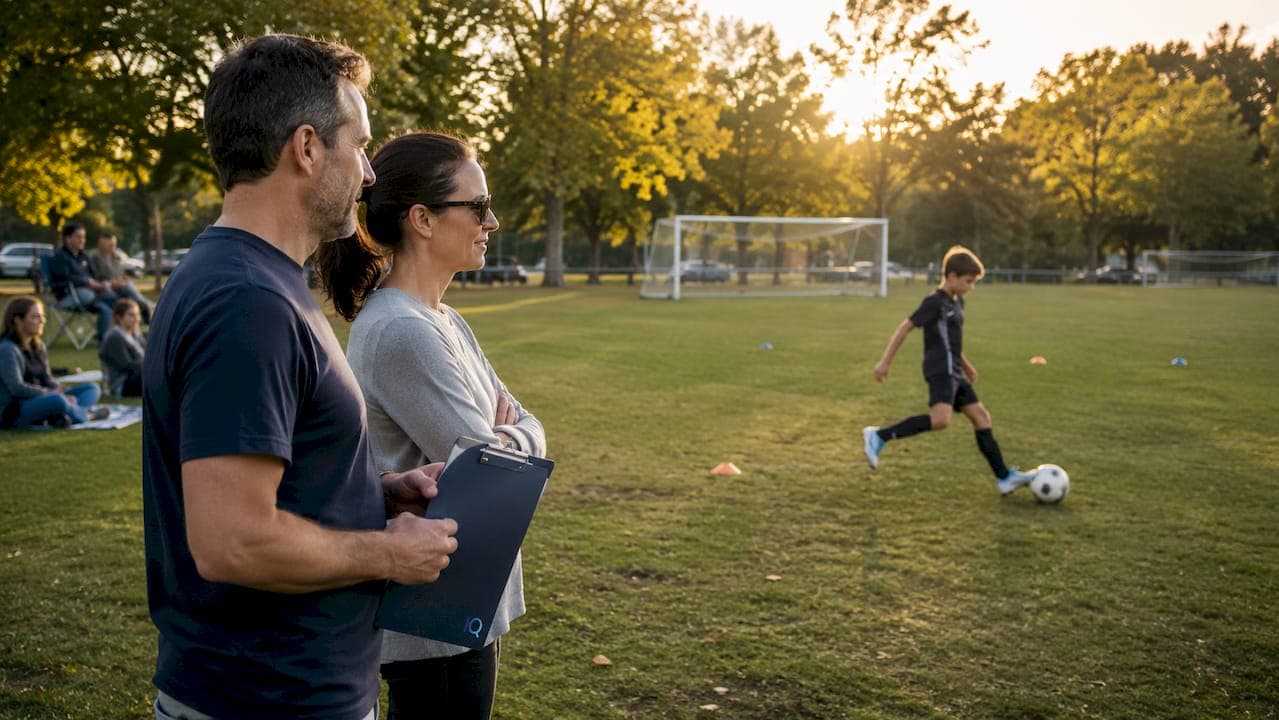
Athletic Career Longevity Factors Parents Control Most
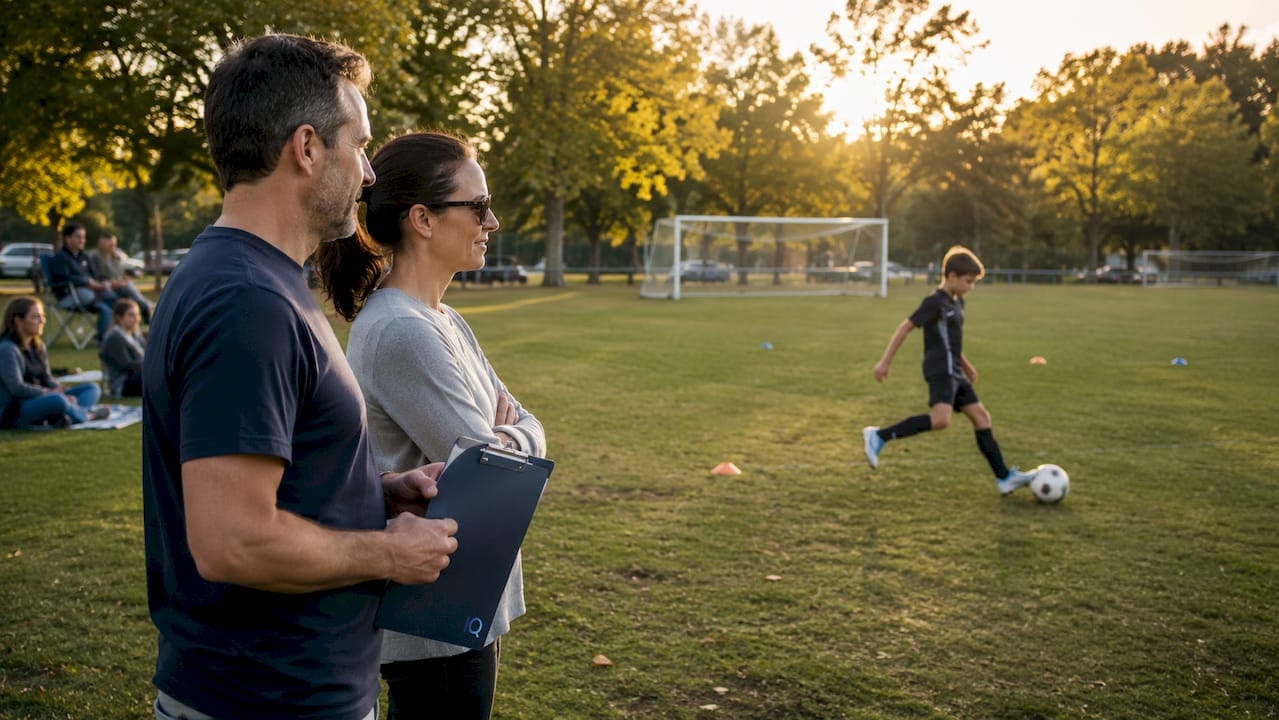
Athletic career longevity in youth athletes is predominantly shaped by specific parental behaviors that foster motivation, reduce burnout, and promote balanced development. The industry term for this is “long-term athlete development,” and the athletic career longevity factors parents control are more decisive than raw talent alone. Parental support predicts sport commitment in studies of 485 academy football players. That finding reframes the parent’s role entirely. You are not a spectator. You are a core variable in whether your child’s athletic career lasts five years or fifteen.
1. What parenting styles most effectively promote athletic career longevity?
The parenting style you bring to the sideline matters more than the drills your child runs. Authoritative parenting was a statistically significant positive predictor of motor competence and intrinsic motivation in children aged 7–9. Authoritarian parenting, defined by high pressure and low warmth, was a negative predictor at the same confidence level. The gap between these two styles shows up directly in whether kids stay in sports.
Authoritative parenting combines high warmth with clear expectations. It sounds like: “I’m proud of how hard you worked today,” not “You need to score more.” This style builds the internal drive that keeps athletes competing through setbacks, injuries, and plateaus.
- High warmth + clear expectations: Authoritative parents set standards without threatening love or approval based on performance.
- Autonomy support: Letting your child choose their sport, their goals, and their pace of development builds ownership.
- Avoid the coach-parent hybrid: Parents who double as tactical critics undermine the coach’s authority and confuse the child’s role.
- Emotional availability after losses: Athletes who feel safe processing failure with parents recover faster and stay motivated longer.
Pro Tip: After a game, wait 20 minutes before discussing performance. Lead with “How did you feel out there?” not “Why didn’t you pass more?”
2. How does specialization and training intensity affect long-term athletic health?

Early single-sport specialization is one of the clearest threats to a young athlete’s career duration. Early sport specialization increases burnout and injury risk, and parents of highly specialized children report that time constraints drive these decisions more than the child’s preference. That is a critical distinction. Convenience is not a development strategy.
Multi-sport participation builds varied movement patterns, which reduces overuse injuries and develops athleticism that transfers across sports. A soccer player who also wrestles develops body control. A basketball player who swims builds aerobic capacity without joint stress.
- Audit your child’s weekly schedule. Count how many hours per week go to a single sport. If it exceeds all other physical activity combined before age 12, the risk of burnout rises sharply.
- Introduce a second sport seasonally. Even one off-season sport per year diversifies movement skills and keeps motivation fresh.
- Watch for early warning signs. Complaints about practice, declining enthusiasm, and frequent minor injuries are burnout signals, not attitude problems.
- Talk to the coach about periodization. Coaches who plan intentional rest periods reduce chronic injury risk and extend career timelines.
- Separate your investment from your child’s identity. Financial and time commitments to one sport can unconsciously pressure children to continue past the point of enjoyment.
Pro Tip: Ask your child once a month: “If you could play any sport right now, what would it be?” The answer tells you more about their motivation than any performance metric.
Sustainable movement practices show a direct link to longer careers and lower chronic injury rates. That evidence supports multi-sport play and planned rest over year-round single-sport intensity.
3. How parental expectations shape motivation and career duration
Unrealistic expectations are a quiet career killer. A survey of 676–690 parents found that higher athletic expectations were more common among parents of younger children and those with lower socioeconomic status. This matters because pressure applied earliest in development does the most damage to intrinsic motivation.
Intrinsic motivation, meaning the child plays because they love it, is the strongest predictor of long-term participation. Extrinsic motivation, meaning they play for trophies, scholarships, or parental approval, fades when rewards stop or pressure increases. Parents who shift the focus from outcomes to effort protect their child’s internal drive.
- Calibrate expectations to the child’s age. A 9-year-old cannot reliably predict adult athletic potential. Treating early performance as destiny creates pressure that serves no developmental purpose.
- Praise effort and process, not results. “You kept fighting in the second half” builds resilience. “You need to be the best player on the team” builds anxiety.
- Separate your athletic identity from your child’s. Parents who played sports at a high level often project their own ambitions. Recognizing this pattern is the first step to correcting it.
- Celebrate consistency over peaks. Showing up to practice every week for three years matters more than one standout tournament performance.
Parental autonomy support transfers autonomous motivation from family life directly into sport contexts. Children who feel respected at home bring that self-direction to the field.
4. Why dual career support extends athletic participation
Dual career competency refers to an athlete’s ability to manage sports alongside academic and personal development. Parental involvement indirectly enhanced sport commitment in 485 male academy football players by improving their dual career management skills. That finding is often overlooked in early athletic development conversations.
Parents who help their child build time management, academic habits, and social connections outside of sports create a psychological safety net. When sports get hard, those athletes have other sources of identity and confidence to draw from. Athletes who define themselves only through sport are the most vulnerable to dropout after injury or a bad season.
| Approach | Effect on athletic longevity |
|---|---|
| Sports only, no academic structure | Higher dropout risk after injury or performance decline |
| Balanced sports and academics | Stronger psychological resilience and longer participation |
| Parental advisory role in planning | Increased sport commitment through better time management |
| Forced academic sacrifice for sport | Burnout and resentment, especially in adolescence |
Dual career support builds psychological resilience and reduces dropout rates. Parents who treat education and athletics as complementary, not competing, give their children the best chance at sustained participation. The role of parents in college athletic decisions extends well beyond choosing a program. It includes building the life skills that keep athletes competing.
5. How the broader environment shapes career longevity
Athletic career longevity is not just an individual outcome. Career longevity in elite sports is an emergent property involving performance, psychosocial, and organizational factors beyond individual talent. Playing opportunities, autonomy, and leadership development all extend player careers. Parents who understand this stop trying to control every variable and start building the right environment instead.
This means choosing programs that prioritize development over winning at young ages. It means selecting coaches who communicate well and respect athlete input. It means staying connected to your child’s mental health in athletics, not just their stats. Athlete mental health is a direct factor in whether athletes continue competing through adversity.
Parents also influence the social environment. Athletes who have teammates they genuinely like are more likely to stay in a sport through difficult stretches. Facilitating those friendships, carpooling, hosting team dinners, and supporting team culture, builds the social glue that keeps young athletes engaged.
6. Practical habits parents can build right now
The most durable athletic careers are built on consistent daily habits, not occasional hero workouts. Athletes with sustainable movement practices show longer careers and lower chronic injury risk. That research points directly at what parents can reinforce at home: sleep, nutrition, recovery, and consistent low-intensity movement.
Sleep is the most underrated recovery tool available to young athletes. Adolescents need 8–10 hours per night. Parents who protect sleep schedules protect performance and reduce injury risk more effectively than any supplement or training program.
Nutrition habits formed before age 14 tend to persist. Parents who model balanced eating and keep the kitchen stocked with whole foods give their child a physical foundation that compounds over years. This is not about sports nutrition protocols. It is about building a relationship with food that supports health across a lifetime.
Pro Tip: Build a weekly check-in with your child that covers three things: how their body feels, how their motivation feels, and one thing they want to work on. Keep it under five minutes. Consistency beats intensity here too.
Key takeaways
Parental influence on athletic career longevity works through four core channels: parenting style, expectation management, specialization decisions, and dual career support.
| Point | Details |
|---|---|
| Authoritative parenting wins | High warmth and clear expectations predict better motor skills and intrinsic motivation than pressure-based styles. |
| Avoid early over-specialization | Multi-sport play and planned rest reduce burnout and injury risk more than year-round single-sport training. |
| Calibrate expectations to age | Unrealistic early expectations harm intrinsic motivation and shorten athletic participation. |
| Support dual career development | Helping athletes balance school and sport builds resilience and reduces dropout risk. |
| Build sustainable daily habits | Consistent sleep, nutrition, and recovery habits extend careers more than intense training spikes. |
What I’ve learned watching parents get this right and wrong
The parents who help their kids build lasting athletic careers share one trait: they act as emotional buffers, not pressure sources. I have watched families invest thousands of dollars in elite training programs while completely neglecting the one thing that actually predicts long-term participation. That thing is whether the child still wants to show up.
The research on parental roles in fostering athletic longevity confirms what experienced coaches already know. Autonomy support at home transfers directly to sport motivation. You cannot manufacture that motivation by signing your child up for more camps. You build it by respecting their perspective, letting them own their goals, and being present without being controlling.
The counterintuitive truth is that backing off often produces better results than leaning in. Parents who resist the urge to micromanage practice schedules, critique every game, and chase the next level of competition tend to raise athletes who play longer, enjoy it more, and develop genuine resilience. The 2026 guide to athletic career longevity planning lays out the structural side of this. But the emotional side starts with you deciding what kind of parent you want to be in the stands.
— John
How DepthchartIQ supports parents planning for athletic longevity
Parents making long-term athletic development decisions need more than intuition. They need data.
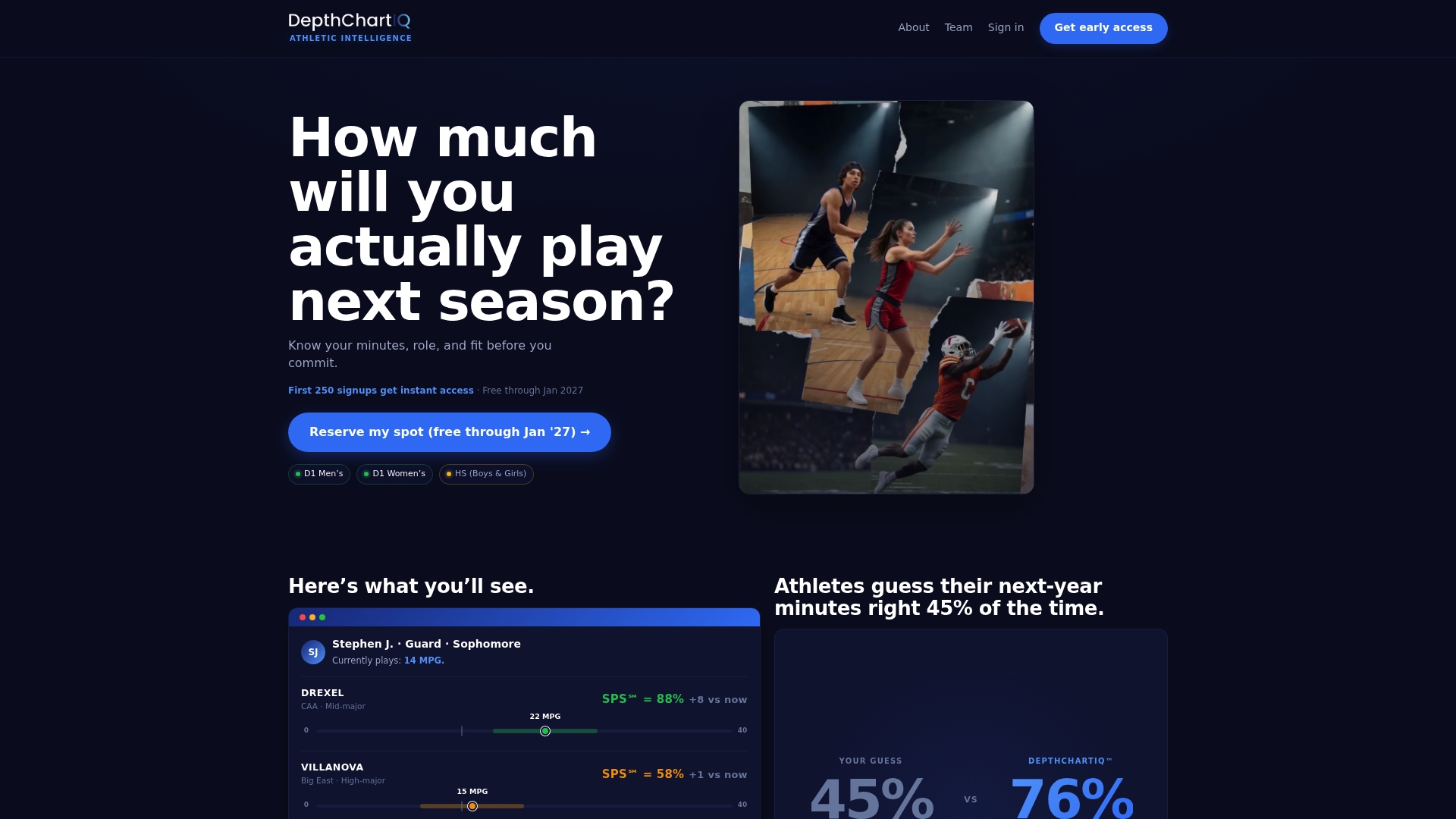
DepthchartIQ gives parents and athletes a clear picture of where a young athlete stands relative to real roster dynamics at college programs. The platform’s Success Probability Scores and Roster Pressure insights are built on a 76% accuracy rate in predicting player outcomes. That kind of clarity helps parents make decisions grounded in reality, not wishful thinking. Whether your child is a high school prospect weighing college programs or a current athlete considering a transfer, DepthchartIQ’s career analytics tools cut through the noise. Visit DepthchartIQ to see how data-driven planning supports the long-term athletic development decisions that matter most.
FAQ
What is the most important parenting factor for athletic longevity?
Authoritative parenting, which combines high warmth with clear expectations, is the strongest predictor of motor competence and intrinsic motivation in young athletes. Intrinsic motivation is the core driver of long-term sports participation.
At what age should a child specialize in one sport?
Most sports science research supports delaying single-sport specialization until at least age 12–15. Multi-sport participation before that age builds broader movement skills and reduces burnout and overuse injury risk.
How do parental expectations affect a young athlete’s career?
Unrealistic expectations, especially in early childhood, create pressure that undermines intrinsic motivation. Parents who focus on effort and process rather than outcomes protect their child’s long-term desire to compete.
What is dual career competency and why does it matter?
Dual career competency is an athlete’s ability to manage sports alongside academic and personal development. Research on 485 academy football players shows it directly improves sport commitment and reduces dropout risk.
How can parents support mental health in young athletes?
Parents act as emotional buffers by listening without judgment, separating love from performance, and staying alert to signs of burnout. Athletes with strong parental emotional support show greater resilience through injury and performance setbacks.